
© 2026. All rights reserved.
Citi Bank is a global financial institution serving millions of customers across personal and commercial banking. The engagement focused on evaluating and reimagining its online banking experience to align with evolving user expectations, digital behaviors, and modern usability standards.
Clients
Citi Bank
Service
Product Innovation
Industry
Banking & Financial Services
Year
2018
Reimagining the Online Banking Experience
This project explored how Citi’s digital banking platform could transition from a function-heavy interface to a more intuitive, user-centered experience. The objective was to improve usability, clarity, and engagement across high-frequency banking journeys while retaining enterprise-scale robustness.
The current scenario
Create personalized digital experiences
Be proactive. Transform to a holistic solution. Meet the needs of today and be ready for whatever comes next.
Need for Experience Consistency and Usability
- Core user journeys lacked clear hierarchy and predictable behavior
- Navigation and interaction patterns were inconsistent across pages
- Feedback during system actions was insufficient or unclear
- The experience did not reflect the expectations of digitally mature users
Benefits of a Reimagined Digital Banking Experience
- Faster completion of high-frequency tasks
- Reduced cognitive load through simplified layouts
- Improved trust via transparent system feedback
- A cohesive experience across devices and journeys
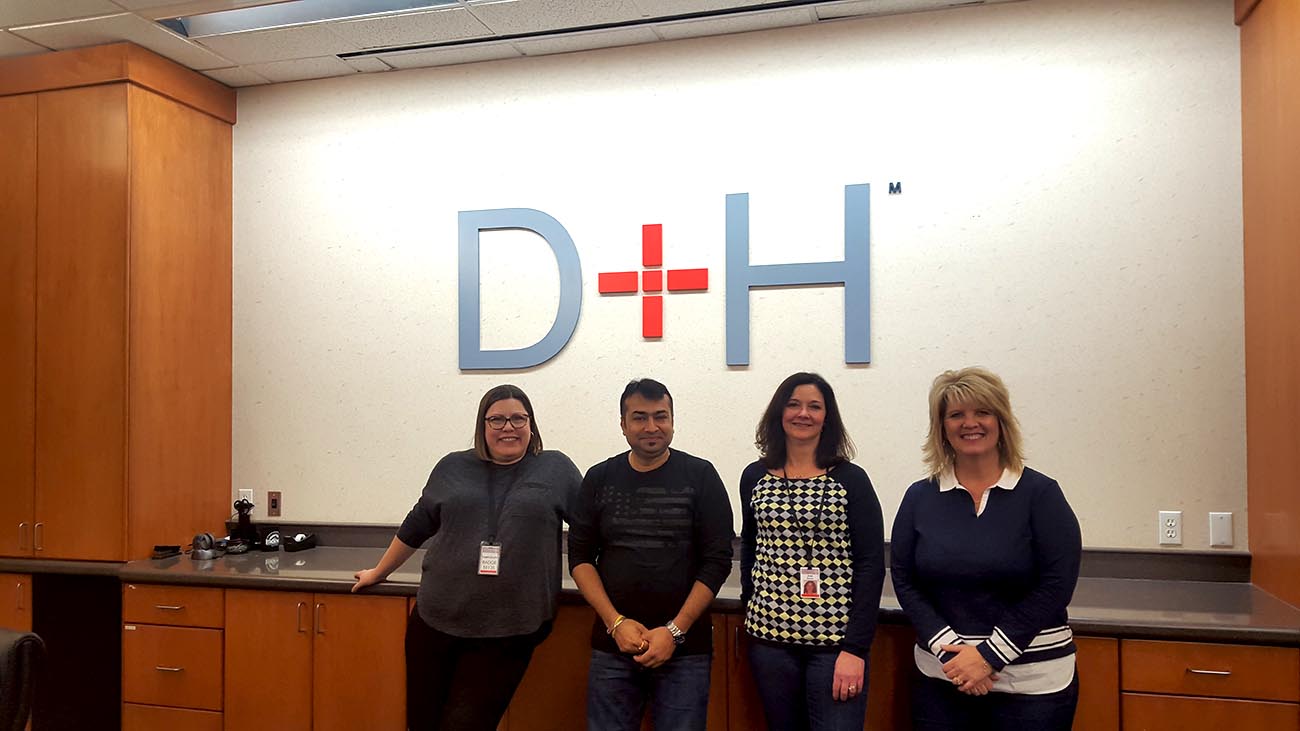
Design & Evaluation Journey
A structured UX evaluation approach was applied to assess the platform and identify opportunities for improvement. This included heuristic analysis, competitive benchmarking, and journey-level reviews across the homepage, dashboard, and transaction flows. The process emphasized usability, clarity, and scalability over cosmetic changes.
Research & Design Phases
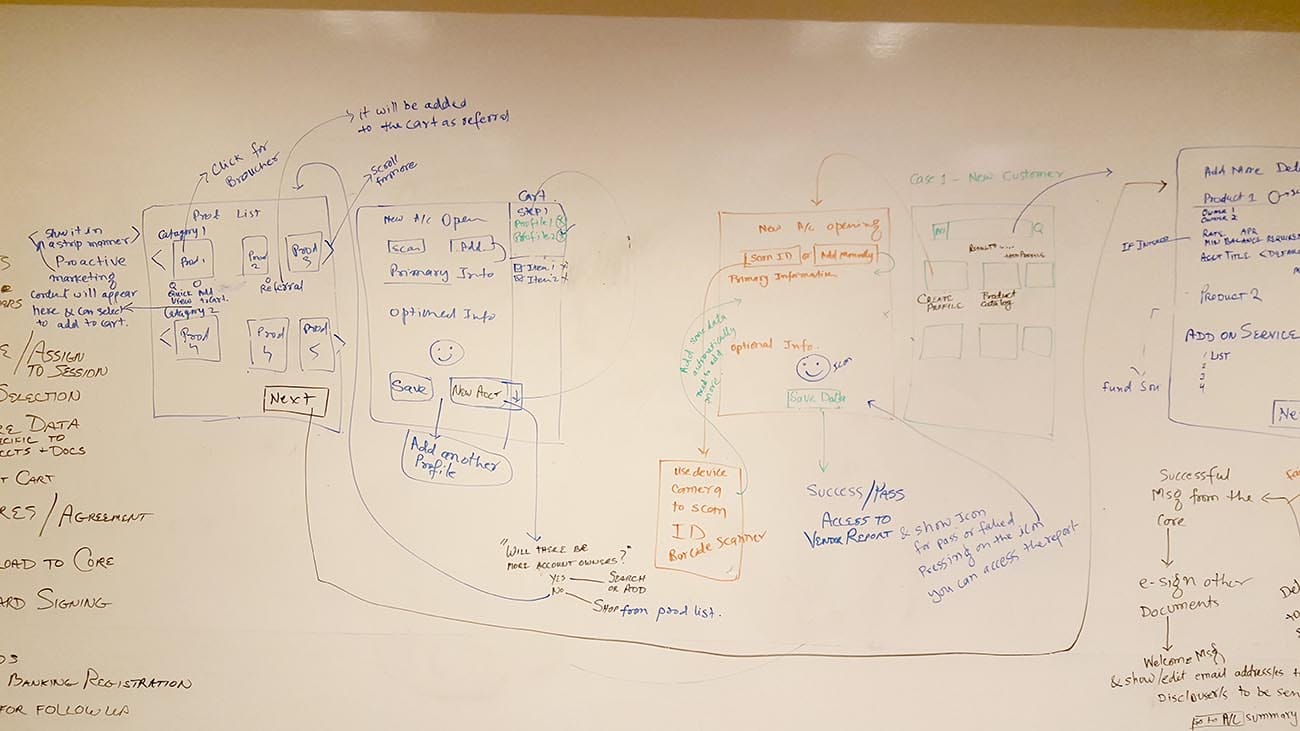
Research Findings
The evaluation highlighted recurring usability issues related to visibility, efficiency, and consistency. Several high-severity problems directly impacted task completion and user confidence.
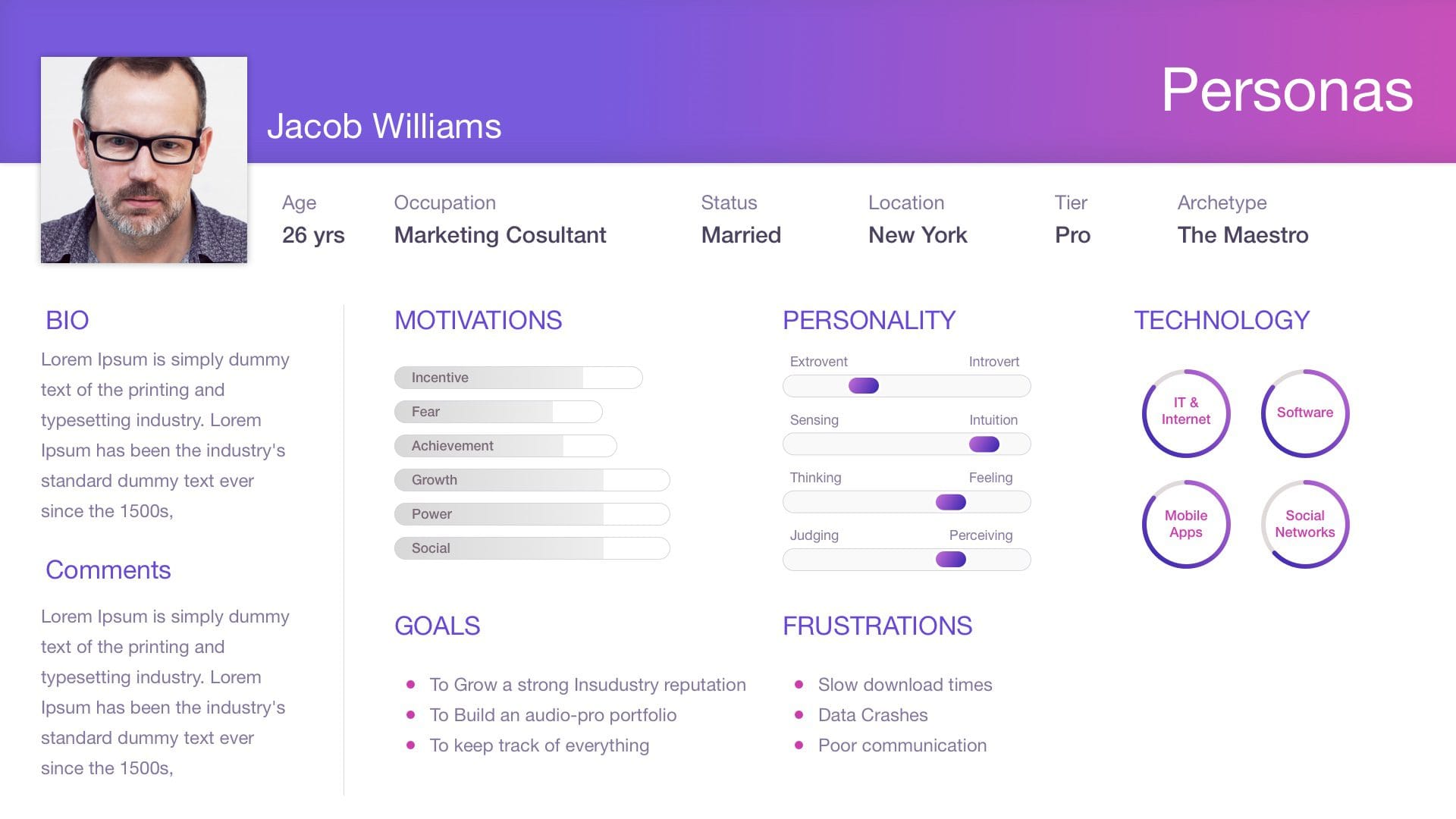
Understanding the Users and Their Needs
Primary users represented digitally savvy professionals who expected banking interactions to be efficient, transparent, and human-centric, comparable to leading consumer digital products.
Ideation
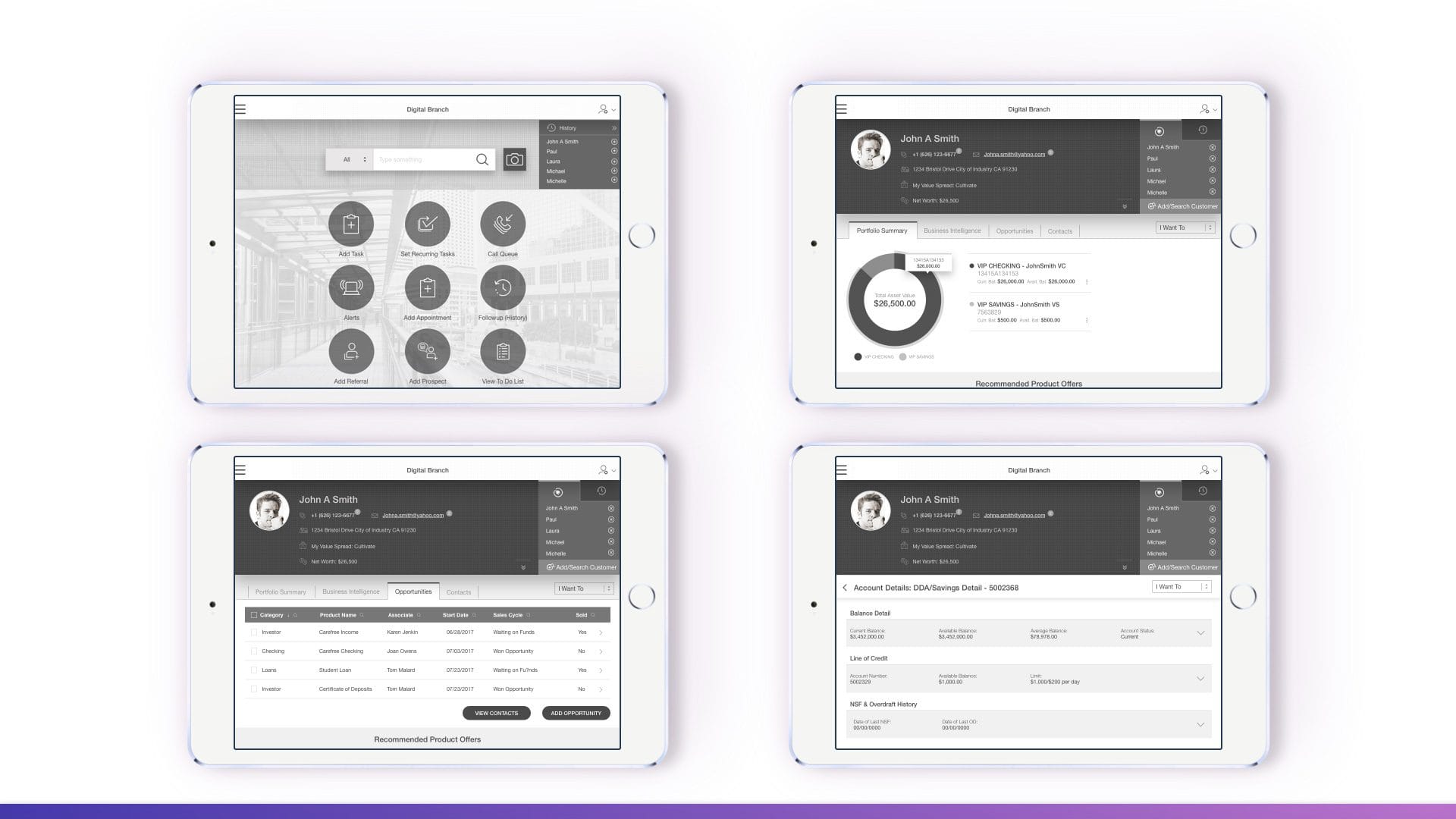
Design directions focused on improving information hierarchy, standardizing interaction patterns, and prioritizing user tasks over promotional content.
Prototyping and Validation
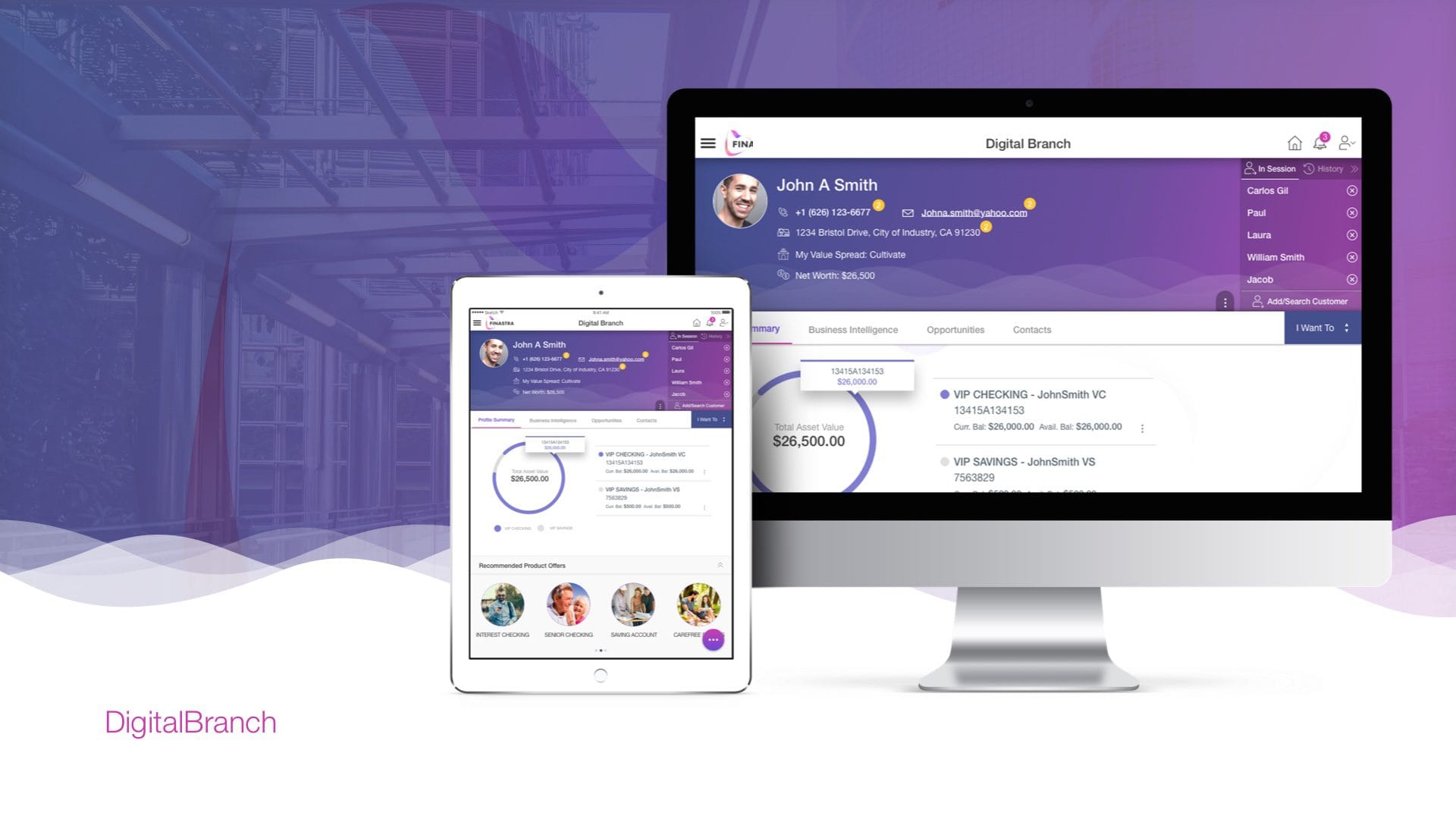
Conceptual prototypes were created to demonstrate improved navigation, clearer calls to action, and simplified workflows. These were validated against usability heuristics to ensure measurable improvement over the existing experience.
Automated confirmation
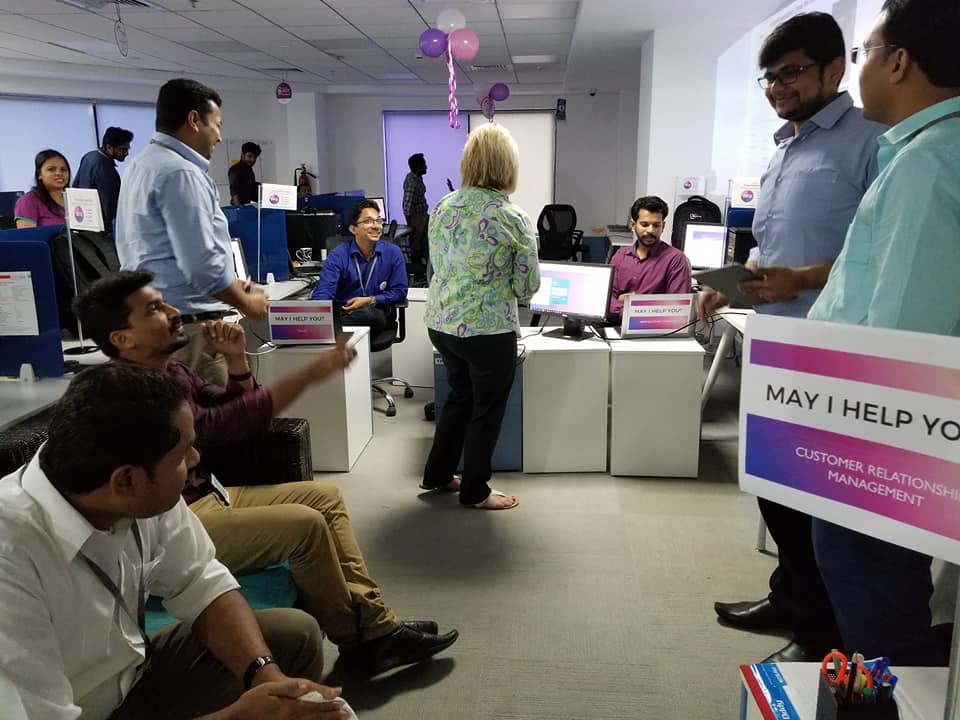
To validate the effectiveness of the proposed experience, I led a series of role-play–based usability testing sessions with representative users, including bank operations staff, relationship managers, and customer-facing personnel. Given the complexity of core banking workflows and limited access to live systems, role-play testing enabled us to realistically simulate day-to-day banking scenarios while interacting with the high-fidelity prototype built on Finastra Fusion capabilities.
After completing the research, ideation, and prototyping phases, the focus moved toward validating how the redesigned experience would function within real banking operations. Given the complexity of digital banking workflows and the high cost of user error, the experience needed to be assessed beyond isolated screens or linear tasks.
Validation was carried out using realistic, scenario-driven usability walkthroughs that reflected everyday banking activities. Participants navigated end-to-end flows involving account management, transaction handling, approvals, and exception scenarios, allowing observations at both interaction and decision-making levels.
The evaluation primarily examined:
Insights from these sessions revealed that uncertainty most often emerged when system states were unclear or confirmations were visually understated. Users hesitated, double-checked actions, or relied on external validation when feedback was insufficient.
These findings directly informed iterative refinements, including clearer confirmation states, simplified workflow sequencing, and more contextual guidance at decision points. As a result, the experience reduced cognitive load, improved task confidence, and aligned more closely with real-world banking behavior without adding operational complexity.
The Impact
Less friction. More clarity.
Users could locate information and complete tasks with fewer steps and less effort.
Stronger customer confidence
Clear system feedback and predictable behavior improved trust and usability.
Future-ready experience
The redesigned framework provided a scalable foundation for future features and channels.

 MAKE
MAKE