
© 2026. All rights reserved.
Finastra Fusion is a modern, API-driven core banking platform used by financial institutions to power critical customer and operational workflows. This case study explores how I led the prototyping and experience design of a Fusion-based banking solution—translating complex core banking capabilities into clear, efficient, and trustworthy user experiences for both customers and bank employees. The work focused on validating real-world banking workflows, reducing operational friction, and demonstrating how thoughtful UX can unlock the full value of a configurable core banking platform.
Clients
Finastra
Service
Product Innovation
Industry
Finance
Year
2017
Next-gen Digital, Retail & Commercial Banking solutions
Core banking platforms like Finastra Fusion form the backbone of modern financial institutions, yet their complexity often limits usability and adoption. In this case study, I detail how I prototyped and designed a user-first banking experience on top of Finastra Fusion—bridging business goals, regulatory constraints, and technical realities. The project showcases how experience-led design can modernize core banking interactions, accelerate decision-making, and improve confidence across customer-facing and back-office journeys.
The current scenario
Create personalized digital experiences
- Be proactive. Transform to a holistic solution. Meet the needs of today and be ready for whatever comes next.
Need for Product Recognition
- Need to wait in long queues
-
Killing valuable time
-
Lot of paperwork (Documentation)
-
Customer struggle with self-service help options
-
Lack of transparency in payment transactions
-
The manual method for payments processing is prone to human errors and delays
Advantages of Digital Branch
-
Make Flexibility Part of Your DNA
-
Personalize Customer Care
-
Prioritize Segmented Mobile
-
Promote Open Innovation & Experimentation
-
Integrate different sources of data
-
Improve customer service without violating privacy concerns
-
Invest in the capability to use the data effectively
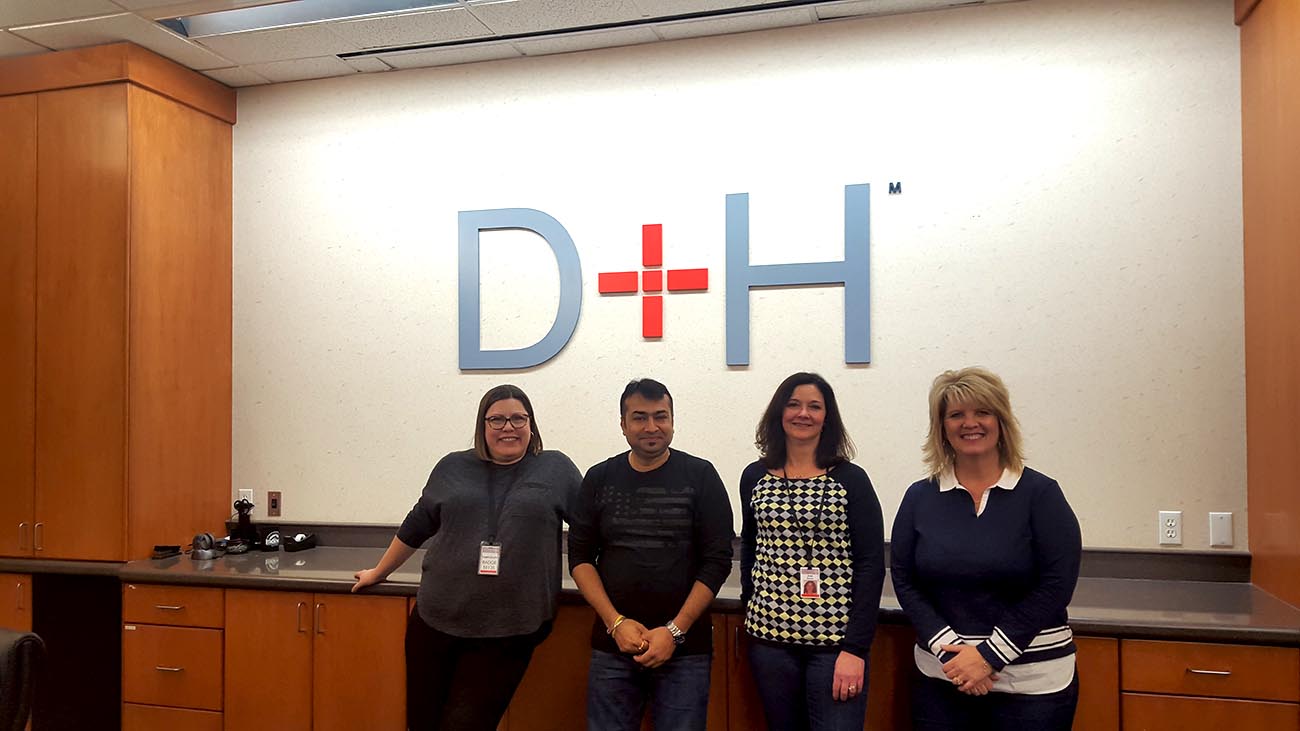
Witness the product innovation journey
Top 5 things done to create meaningful product
Research Findings
Banks can offer high levels of personalization and lifestyle banking capabilities
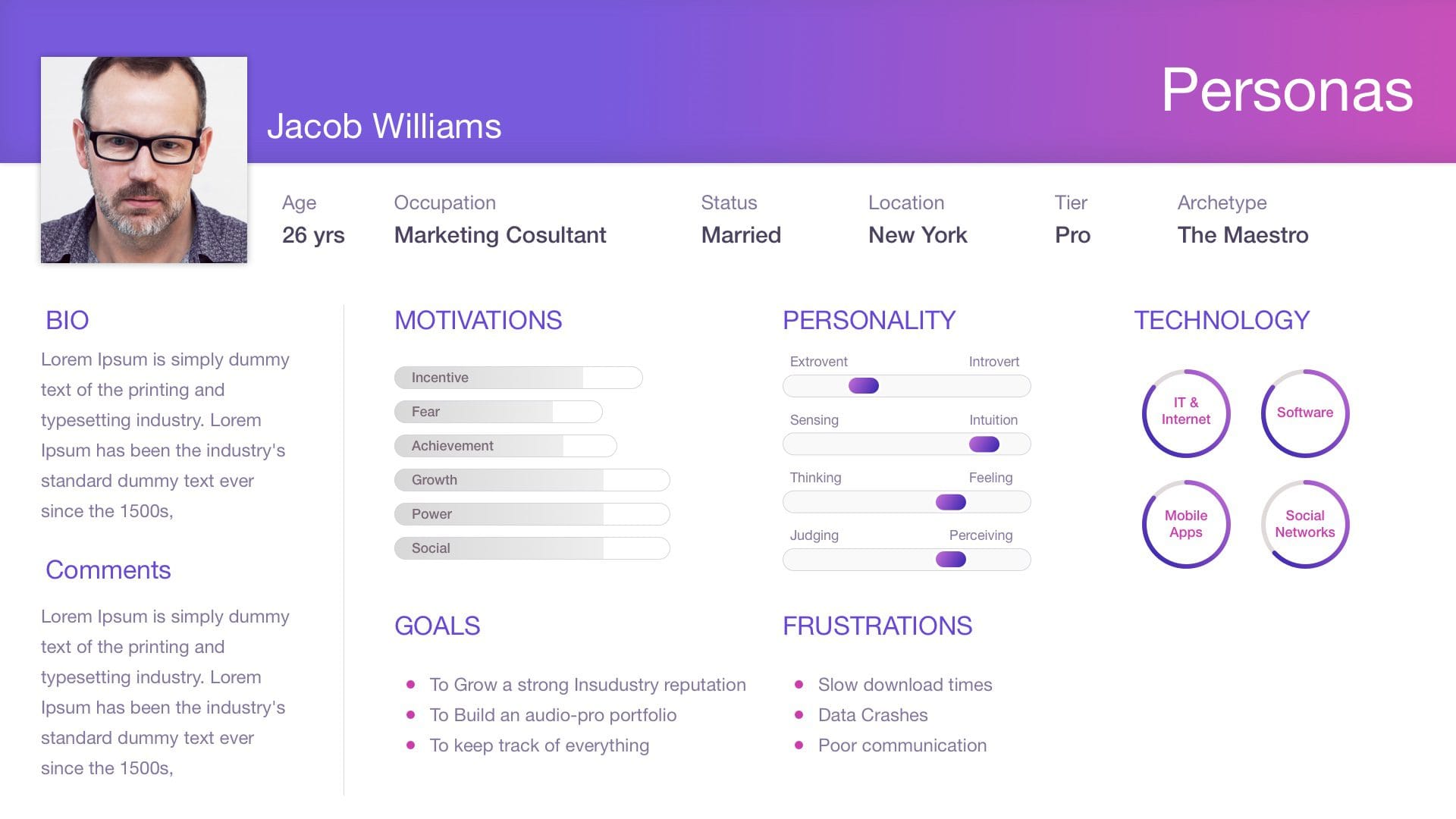
Understand the users and their needs
Finastra has been serving mainly from urban areas of cities not the rural areas banking needs. The personas and needs of the rural American banking were too different than urban.
The purpose is to help, enable and connect rural world to the digital banking.
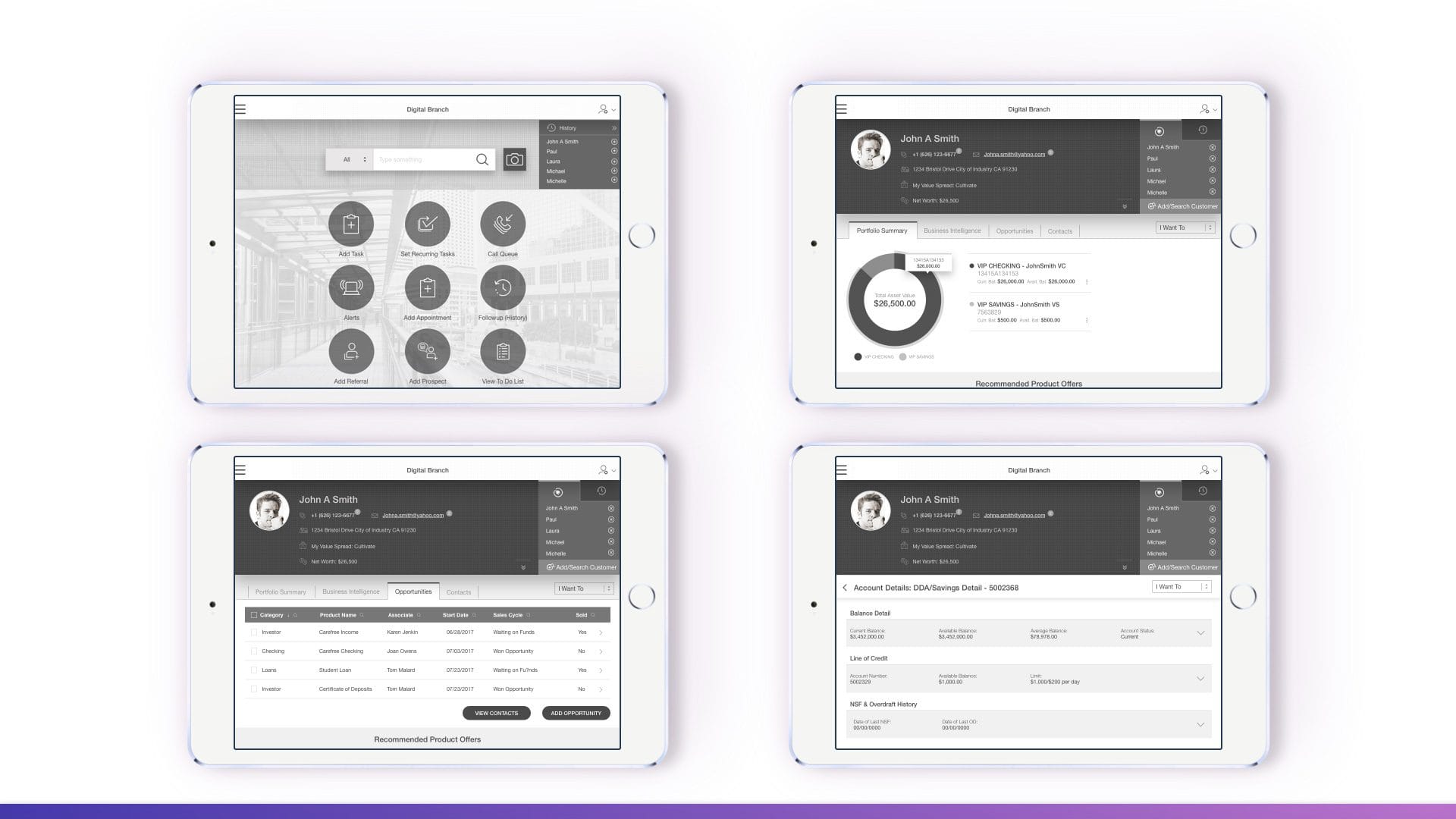
Ideate the soultion
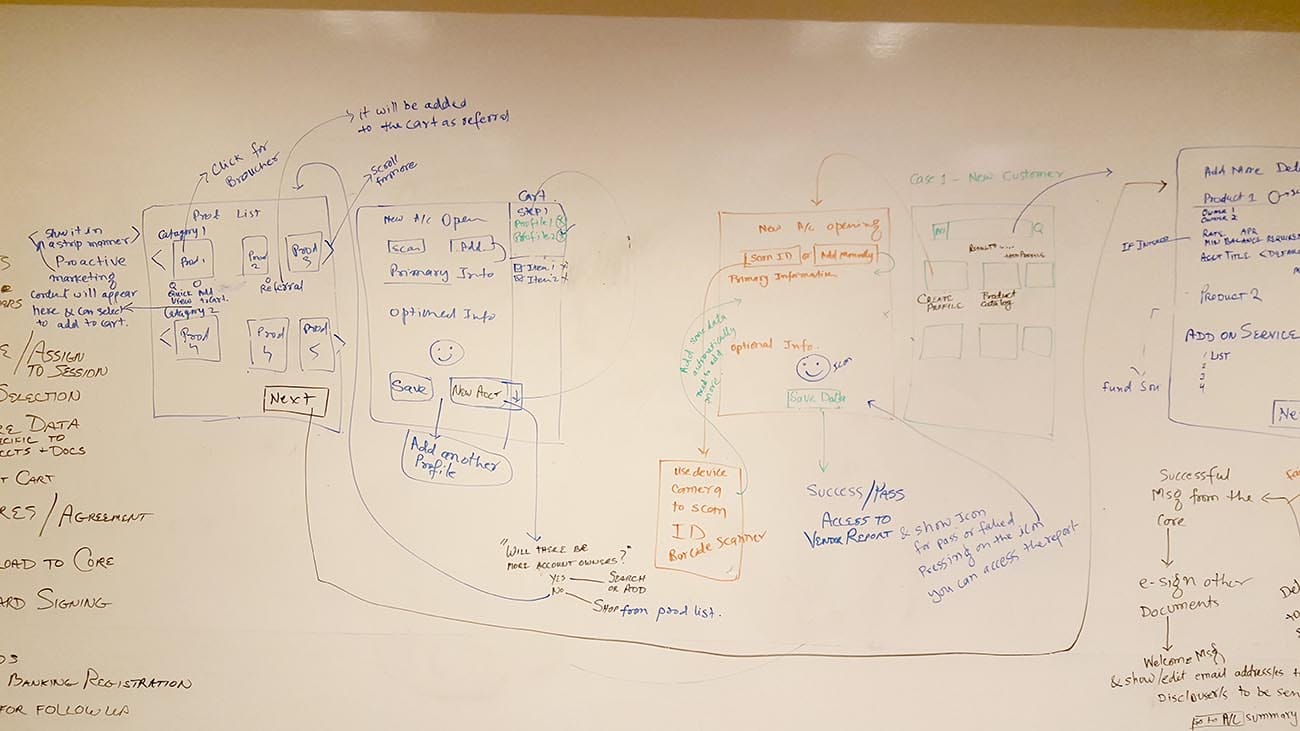
Information pertaining to each user type helped us elevate the ideation of the product and created low fidelity wireframes to ideate fast with business stake holders
Prototype the solution
Defined prototyping goals, scope and success metrics with stakeholders (product, engineering, operations, compliance).
Mapped current-state Fusion workflows and prioritized high-impact use cases to prototype (account opening, inbound payments, dispute resolution, loan servicing).
Ran co-design workshops with business SMEs to translate Fusion config and data model constraints into UX patterns.
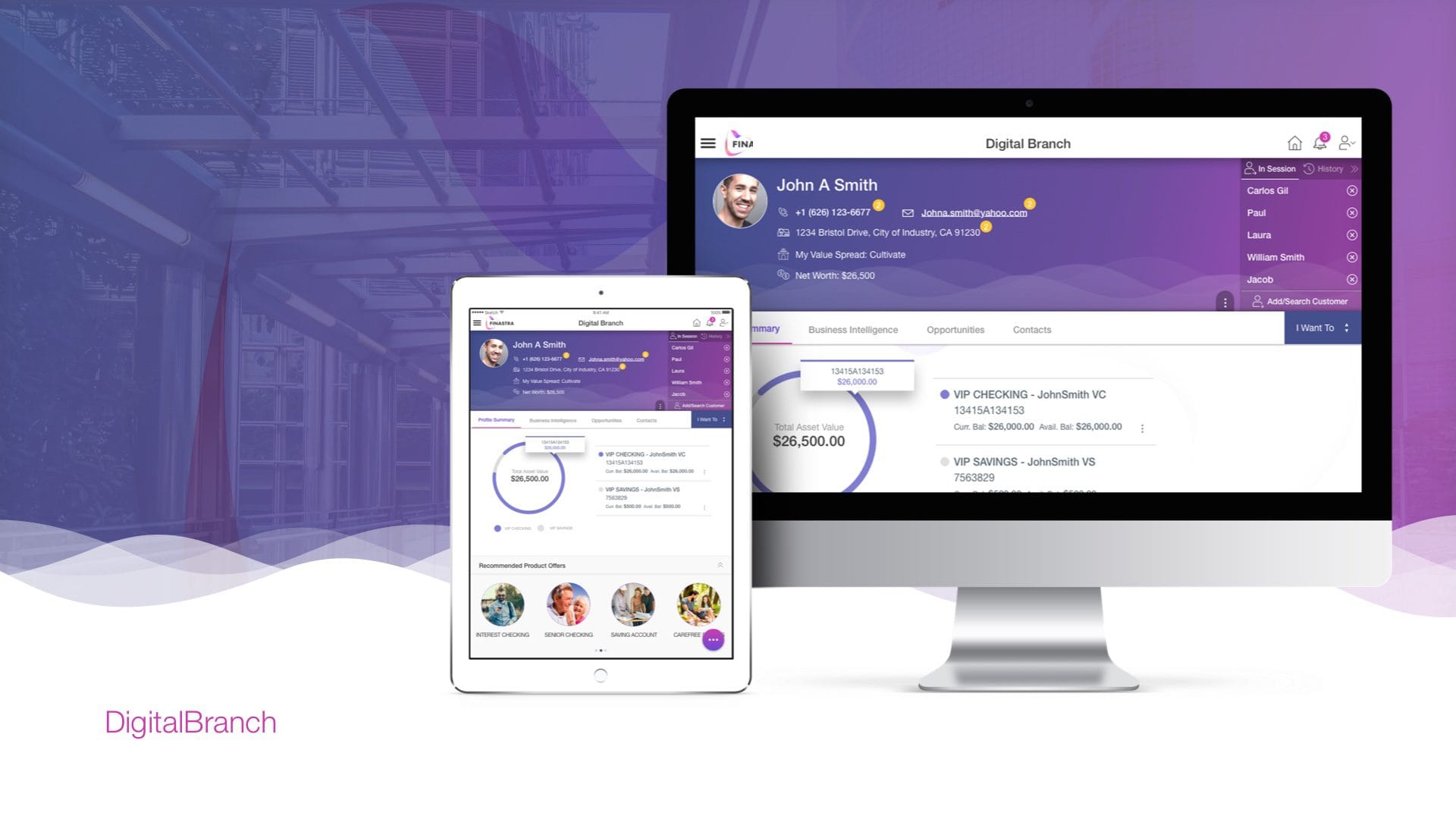
Designed and built interactive prototypes (low → high fidelity) to validate flow logic, error states, and micro-interactions tied to backend behaviors.
Automated confirmation
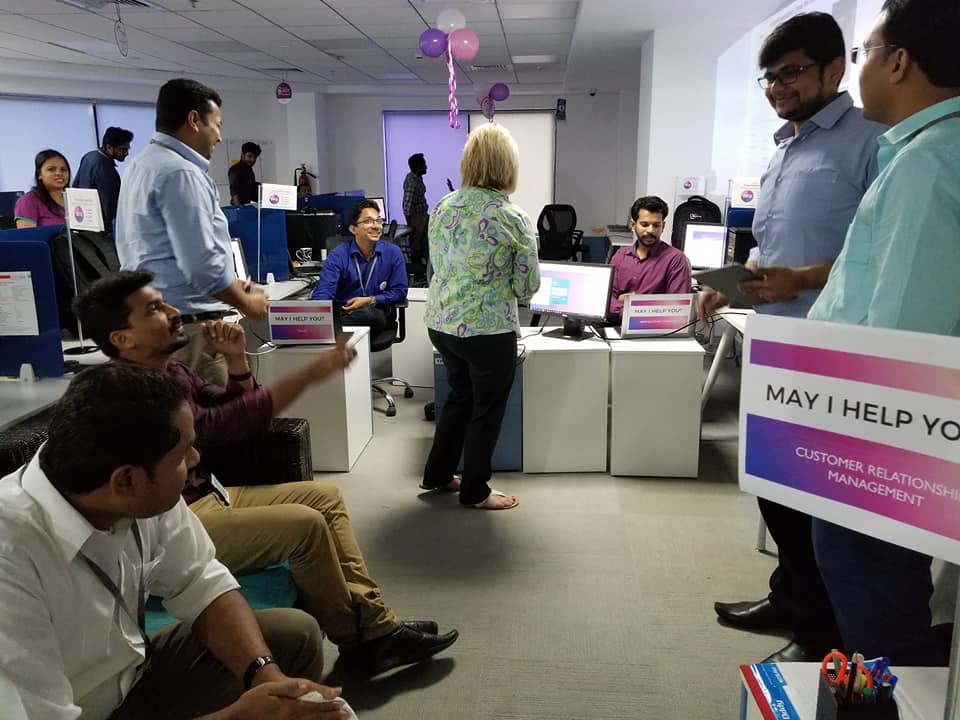
To validate the effectiveness of the proposed experience, I led a series of role-play–based usability testing sessions with representative users, including bank operations staff, relationship managers, and customer-facing personnel. Given the complexity of core banking workflows and limited access to live systems, role-play testing enabled us to realistically simulate day-to-day banking scenarios while interacting with the high-fidelity prototype built on Finastra Fusion capabilities.
Participants were guided through real-world tasks—such as account onboarding, payment processing, exception handling, and servicing actions—while assuming their actual job roles. This approach helped uncover not only usability issues, but also decision-making friction, handoff gaps, and compliance-related concerns that typically surface only in production environments.
The sessions focused on evaluating:
- Task completion efficiency and clarity of system feedback
- User confidence in high-risk actions (approvals, reversals, and verifications)
- Visibility into transaction status, audit trails, and next best actions
Error handling and recovery flows under simulated failure conditions
Insights from the role-play sessions directly informed iterative design improvements, including simplified workflows, clearer system states, and more contextual guidance for users. The testing confirmed that the prototype significantly reduced cognitive load, improved task confidence, and aligned more closely with how banking teams operate in real scenarios.
Overall, role-play usability testing proved critical in validating both usability and operational feasibility, ensuring the solution was not only intuitive but also practical, compliant, and ready for phased implementation on the Finastra Fusion platform.
The Impact
Less physical. More digital.
Open banking improves customer experience
Customer insight
Integrated analytics generate valuable customer insights
Future-ready
Open, flexible SaaS platform allows innovation and growth

 MAKE
MAKE