
© 2026. All rights reserved.
TrainAI
Harnessing technology to drive growth and transformation

-
Introduction
Minus officia ducimus voluptas et et provident magnam. Reiciendis natus repudiandae accusa illo adipisci aliquam dolorem expedita.
Clients
Gus Skarlis
Service
App Design
Industry
Medical
Year
2025

Harnessing technology to drive growth and transformation
The retail and CPG sectors will invest $8 billion in artificial intelligence by 2024. AI holds the potential to create even more value in retail annually. But to unleash the power of this technology, we must first train it according to our needs.
Optimize inventory management and planning
AI for product recognition and smart shelving
Benefits:
- • Boosted revenue and sales
- • Reduced losses
Need for Product Recognition
-
As more products flood the market, retailers will need more human labor to recognize and categorize them for management.
-
Inventory needs are automatically flagged and coupled with optimized shelving can improve sales and profit.
-
Additionally, we can leverage its other use cases later to improve the offline shopping experience.
An FLNA product database to train the AI in recognizing our range of products.
A tool to capture product images and catalogue them
It must account for:
- • Volume of products and images
- •Various product and display angles
Need for Product Recognition
-
As more products flood the market, retailers will need more human labor to recognize and categorize them for management.
-
Inventory needs are automatically flagged and coupled with optimized shelving can improve sales and profit.
-
Additionally, we can leverage its other use cases later to improve the offline shopping experience.

TrainAI
As frontline employees with complete access to stores, products, and equipments, RSRs are placed perfectly to capture product images for the database. Considering their responsibilities, this application is easy to use and straightforward.
Design approach
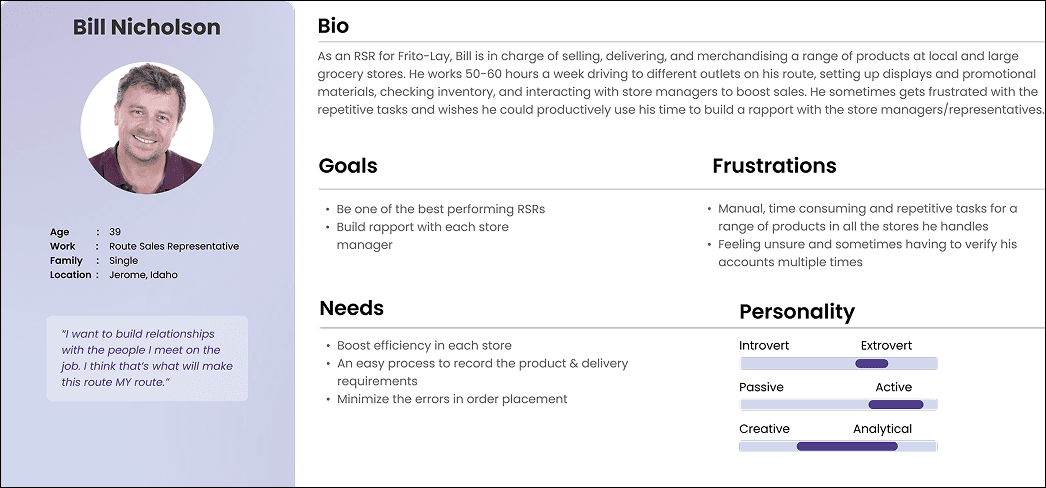
Human-centered design
With the RSRs as our designated users, we had to learn more about their responsibilities and needs to tailor a solution that would help them in their added duty, not hinder them.
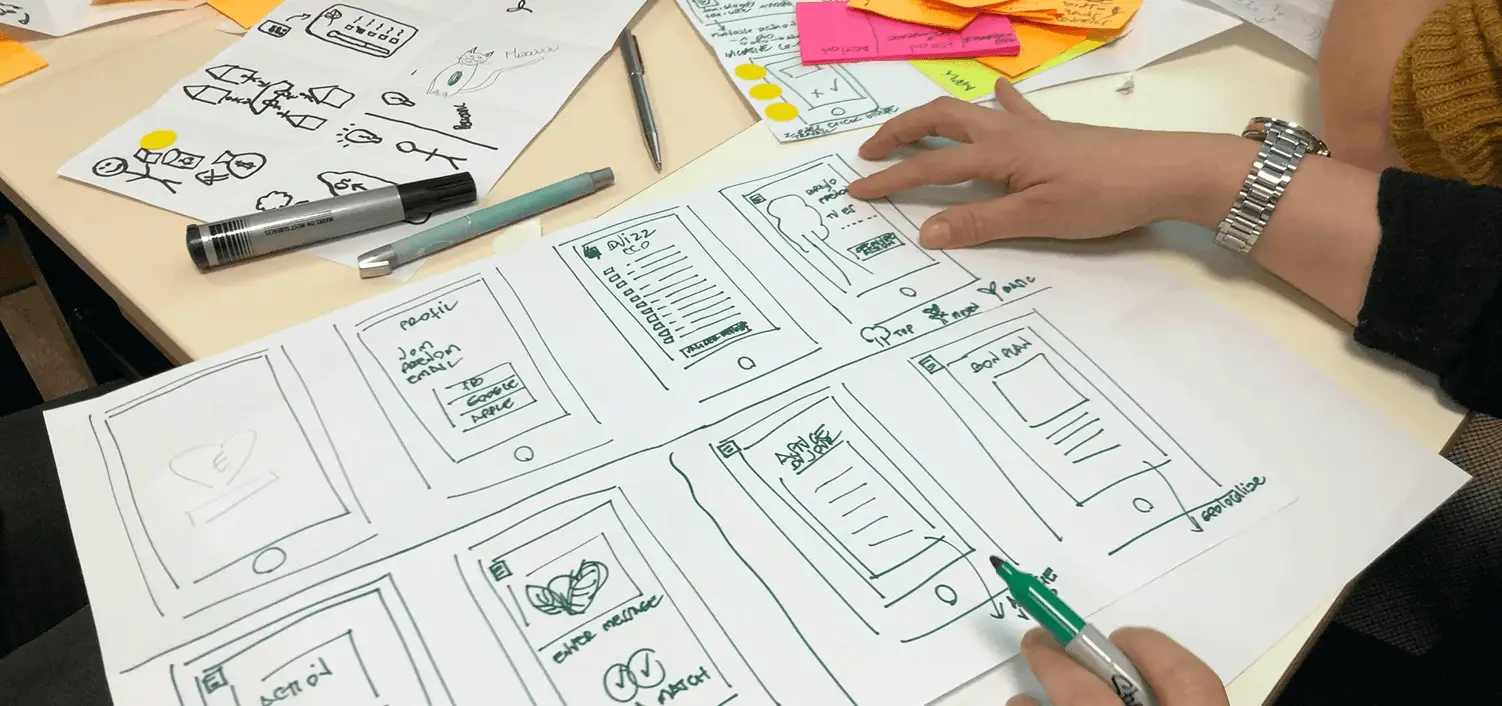
Systems thinking
Through a big-picture mindset, we focused on various possibilities and contexts of use to create the concept.
Iterative
Clarity on what we had to build empowered us to explore and try until we arrived at the right solution.
Simplicity
We broke the entire process into 3 small sequential steps:
Find - predictive search & scanning abilities.
Capture - click, edit & save pictures to build database
Locate - record geo-location for accuracy
Product search
Users can search for a product directly by entering the UPC or by scanning its barcode
Capture and edit photos
Next, they take pictures of the product - as many as they please - and edit them.
Preview and upload
The users can preview the image and product details before they submit the data. Since geo-location is a crucial metadata tag for us, the user reviews this.

 MAKE
MAKE